Courses
Courses
Preview

This is your website preview.

Currently it only shows your basic business info. Start adding relevant business details such as description, images and products or services to gain your customers attention by using Boost 360 android app / iOS App / web portal.

919341252729
courses
	Certificate by Digineti
Data Analysis

 Certificate by Diginetinfosystems Excel | SQL | Power BI | Tableau | Python for Analytics Capstone Projects | Resume & Interview Prep Scholarships for Women, Youth & Career SwitchersOver the years, data has emerged as a priceless asset. However, given the huge amount of data businesses generate every moment, data proves useful only when you can analyze and derive meaningful insights from it. Data analytics precisely steps in here. It helps turn raw and unstructured data into valuable insights, helping companies make informed decisions and enhance operational efficiency. No wonder the demand for data analysts is perpetually high. If you are also fascinated by this lucrative career option and looking for the best data analytics course with the top data analyst in Diginetinfosystems, welcomes you!What is Data Analysis?Data analysis involves systematically collecting, cleaning, and examining data to uncover useful information, derive conclusions, and support informed decision-making. The process involves transforming raw data into structured insights by identifying patterns, correlations, trends, and anomalies. Professionals who do this workaround are called data analysts. They are qualified people who have undergone data analytics training in Diginetinfosystems and are well-versed with various tools and technologies used in data analytics.What Does a Data Analyst Do?A data analyst is a professional who interprets and transforms raw data into useful insights to support informed business decision-making. They follow an organized process that includes data collection, data cleaning, and preparation, data analysis, data visualization, reporting, problem-solving and recommendation, monitoring, and optimization. They play a crucial role in helping their clients or employers make educated and potentially beneficial decisions. ...

View More
Data Analytics Using Powe
Data Analytics Using Power BI

Data Analytics Using Power BI – Transform Data into Insights!Unlock the power of data with Diginet Infosystems and become a skilled Data Analyst. Our Power BI course helps you analyze, visualize, and interpret data to make smarter business decisions.What You’ll Learn:• Importing and transforming data using Power Query• Building interactive dashboards and reports• Data modeling and DAX (Data Analysis Expressions) calculations• Advanced data visualization techniques• Connecting Power BI with Excel, SQL, and cloud data sources• Hands-on projects with real-world datasets Course Highlights:• Duration: 1 Month (Regular / Fast-Track Options)• Mode: Online & Classroom Training• Practical, project-based learning• Guidance by industry experts• Career support and placement assistance Career Opportunities:• Data Analyst• Business Intelligence (BI) Analyst• Power BI Developer• Reporting Specialist💼 Why Choose Diginet Infosystems?Learn hands-on with real projects, gain practical skills, and turn raw data into actionable business insights.🌐 Enroll Today and Become a Power BI Expert! ...

View More
Master Microsoft Power BI
Microsoft Power BI

Master Microsoft Power BI – Turn Data into Insights!Unlock the power of data with Diginet Infosystems and become a Power BI expert. Learn how to visualize, analyse, and share data in interactive dashboards that help businesses make smarter decisions.What You’ll Learn:• Data Visualization: Create interactive charts, graphs, and dashboards• Power Query & Data Modelling: Import, transform, and structure data efficiently• DAX (Data Analysis Expressions): Perform powerful calculations• Reports & Dashboards: Design insightful, real-time business reports• Integration & Sharing: Connect Power BI with Excel, SQL, and other sources Course Highlights:• Duration: 1 Months (Fast-Track Options Available)• Mode: Classroom & Online Training• 100% Practical Learning with Real-World Projects• Expert Mentors with Industry Experience• Placement Assistance for Career OpportunitiesCareer Opportunities:• Business Intelligence (BI) Analyst• Data Analyst• Power BI Developer• Reporting SpecialistWhy Choose Diginet Infosystems?Learn hands-on with live projects and expert guidance, and gain the skills to turn data into actionable insights that organizations rely on.🌐 Enrol Today and Make Data Work for You! ...

View More
Master Data Science – The
Data Science

Master Data Science – The Skill That Defines the Future!Step into the world of Data Science with Diginet Infosystems and transform your analytical skills into a powerful career advantage. Our industry-focused course is designed to help you turn raw data into meaningful insights using tools and technologies that drive global businesses today.🚀 Why Choose Data Science?In today’s digital era, every company relies on data-driven decision-making. By mastering Data Science, you’ll be equipped to work in top industries like IT, finance, healthcare, e-commerce, and artificial intelligence.📘 Course Coverage:• Python for Data Science & Machine Learning• Data Analysis using Pandas and NumPy• Data Visualization with Power BI, Tableau & Matplotlib• Statistics & Predictive Analytics• Machine Learning Algorithms & AI Concepts• Real-Time Projects and Case Studies🌟 Program Highlights:• Duration: 2 Months (Regular / Fast-Track Options)• Mode: Classroom & Online Training• Expert Faculty with Industry Experience🎯 Career Pathways:Become a skilled Data Analyst, Data Scientist, Business Analyst, or Machine Learning Engineer.Start your journey today — and be part of the most in-demand profession of the decade!📞 Enroll Now at Diginet InfosystemsEmpower your future with the skills that matter most.Learn. Analyze. Predict. Lead ...

View More
The AI/ML/DL course (Arti
AI/ML/DL

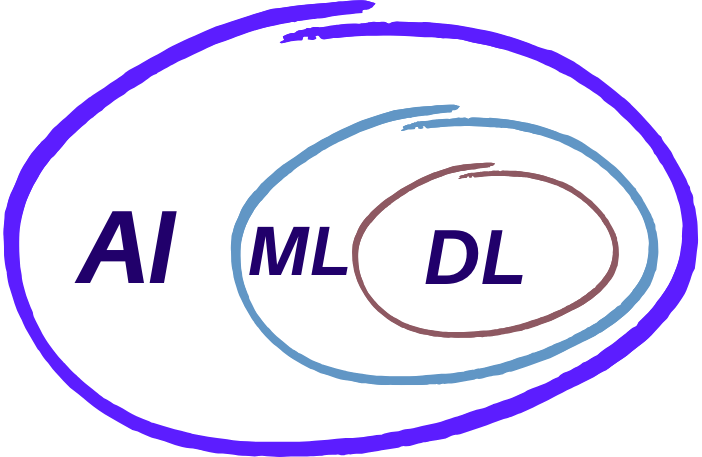
Artificial Intelligence, Machine Learning & Deep Learning CourseStep into the World of Intelligent Technologies!The future belongs to those who understand machines — and at Diginet Infosystems, we help you become one of them!Our AI / ML / DL Course is designed to give you a strong foundation in the technologies shaping the modern digital world — from self-driving cars to virtual assistants, and from smart healthcare to financial analytics.What You’ll Learn:• Artificial Intelligence (AI): Learn how machines simulate human intelligence through perception, reasoning, and decision-making.• Machine Learning (ML): Master supervised and unsupervised learning using algorithms like regression, classification, and clustering.• Deep Learning (DL): Dive into neural networks, CNNs, RNNs, and TensorFlow to build intelligent models.• Python for AI/ML: Practical coding sessions with NumPy, Pandas, Matplotlib, TensorFlow, and Scikit-learn.• Projects & Real-World Applications: Hands-on experience with datasets in image recognition, natural language processing, and predictive analytics.Program Highlights:• Duration: 2 Months (Regular / Fast-Track Options)• Mode: Online & Classroom Training• Guided by Expert Trainers from Industry• 100% Practical Learning with Live Projects• Placement Support for successful career entryCareer Opportunities:After completing this course, you can become:• AI Engineer• Machine Learning Engineer• Data Scientist• Deep Learning Specialist• AI Research AssistantWhy Choose Diginet Infosystems?• At Diginet Infosystems, we combine expert instruction, hands-on practice, and real-world projects to make you industry-ready. Our AI/ML/DL course empowers you with the skills needed to thrive in the age of automation and innovation.• Enrol Today and Be Future-Ready!• Artificial Intelligence is not the future — it’s the present.Join Diginet Infosystems and become part of the next generation of AI innovators. ...

View More
 Automation testing is th
Automation Testing

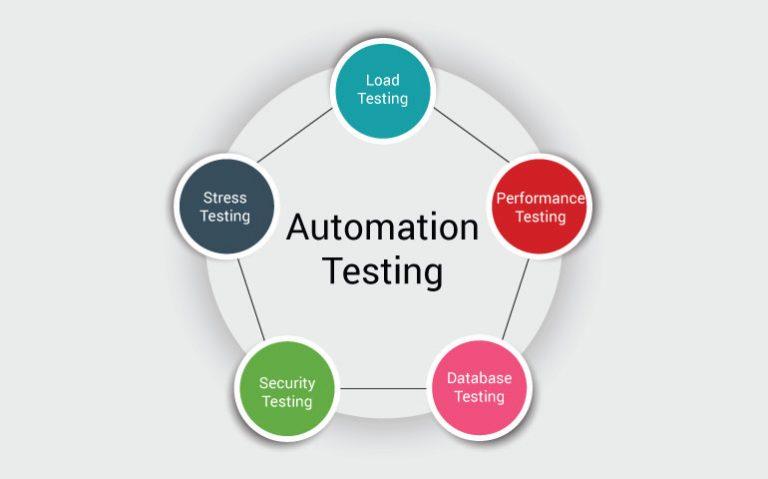
📢 Join the Automation Testing Course at Diginet Infosystems, Wilson Garden, Bengaluru! 🚀🌟 Why Choose Automation Testing?With the demand for efficient and error-free software on the rise, Automation Testing has become a cornerstone of quality assurance in the tech industry. Master the skills to design, execute, and manage automated test scripts with ease!📘 What You'll Learn:✅ Introduction to Automation Testing✅ Hands-on experience with tools like Selenium, Appium, and JUnit✅ Scripting with Python/Java for automation✅ Framework development and integration✅ Industry-standard testing practices🎓 Who Can Join?• Beginners aspiring to enter the testing field• Manual testers aiming to upskill• Developers looking to enhance their quality assurance knowledge ...

View More
1. Test Case Documentatio
Manual-Testing

📣 Exciting Announcement: Manual Testing Course Now Available at Diginetinfosystems!🔍 Learn the Fundamentals of Manual TestingMaster the skills needed to ensure the quality and functionality of software applications. This course is perfect for beginners or professionals looking to strengthen their testing expertise.Course Highlights:✅ Understanding software testing lifecycle✅ Test case design techniques✅ Bug reporting and defect tracking✅ Real-time project experience✅ Interactive hands-on sessionsWhy Choose Us?💡 Experienced and certified trainers💡 Flexible class schedules (online & offline)💡 Affordable fees with instalment options💡 Industry-recognized certification upon completion🎯 Who Can Join?Students, fresh graduates, working professionals, or anyone interested in starting a career in software testing.📌 Enrol Now and Step into the World of Software Testing! ...

View More
Understanding both basic
Python Basic + Advance

🌟 Python Basic + Advanced Course – Now at Diginet Infosystems, Bengaluru! 🐍Are you ready to step into the world of programming or take your skills to the next level? Join our comprehensive Python Basic + Advanced Course at Diginet Infosystems and start your journey to becoming a Python pro!🔥 Why Learn Python with Us?✅ From zero to hero – perfect for beginners and advanced learners✅ Hands-on projects to build real-world skills✅ Learn popular libraries like NumPy, Pandas, Matplotlib, and more✅ Expert trainers to guide you step by step📚 Course Highlights:• Python Basics: Variables, Loops, Functions, and Syntax• Advanced Concepts: OOP, File Handling, Error Handling, and Regular Expressions• Libraries for Data Analysis and Visualization• Industry-relevant projects to showcase your expertise📅 Duration: 1 month💻 Mode: Both Online & Offline Classes Available ...

View More
Python-Django-Fullstack
Python-Django-Full stack

Python-Django-Fullstack"Python-Django-Fullstack" generally refers to using the Django web framework in combination with other technologies to build full-stack web applications.1. PythonOverview: Python is a versatile, high-level programming language known for its readability and ease of use. It's widely used in web development, data analysis, artificial intelligence, scientific computing, and more.Importance: Python’s simplicity and the large ecosystem of libraries and frameworks make it a popular choice for building web applications. Django is a notable web framework built in Python, leveraging its strengths.2. DjangoOverview: Django is a high-level Python web framework that encourages rapid development and clean, pragmatic design. It follows the "batteries-included" philosophy, meaning it includes many features by default, such as an ORM (Object-Relational Mapping), authentication, and an admin interface.Importance: Django simplifies the development process by providing a robust structure and a suite of built-in tools, allowing developers to focus on building their application rather than dealing with boilerplate code. Its security features and scalability are also notable advantages.3. Full-Stack DevelopmentOverview: Full-stack development refers to the practice of working on both the front-end (client side) and back-end (server side) of web applications. It involves handling everything from the user interface to the server-side logic and database interactions.Importance: Full-stack developers are versatile and can build complete applications from start to finish. By understanding both the front-end and back-end, they can create more cohesive and well-integrated applications. This versatility is highly valuable in small teams or startups where individuals might need to wear multiple hats.When combining Python, Django, and full-stack development practices, you get a powerful and efficient setup for building web applications:Front-End Technologies: While Django handles the back-end, front-end technologies such as HTML, CSS, and JavaScript are used to create the user interface. Tools like Django templates and JavaScript frameworks (React, Vue.js) can be integrated for dynamic user experiences.Back-End Technologies: Django manages the server-side logic, including data handling, user authentication, and business logic. It interacts with databases (like PostgreSQL or MySQL) and serves data to the front end.APIs: Django can be used to build APIs that allow for communication between different parts of the application or with other services. Django REST Framework is commonly used for building RESTful APIs.Python-Django-Fullstack refers to using Django in the context of full-stack development to build comprehensive web applications. The importance lies in Django's ability to streamline development with its built-in features and Python's role as a versatile and powerful programming language. This combination allows developers to create robust, scalable, and maintainable web applications efficiently. ...

View More
Java Spring Boot Full Sta
Java Spring Boot-Fill Stack

Java Spring Boot Full StackJava Spring Boot is a popular framework used for building robust and scalable Java applications. When people refer to "Spring Boot Full Stack," they are typically talking about using Spring Boot for the back-end development in conjunction with other technologies to create a complete application stack. Here's a brief overview:1. Spring Boot Basics:Spring Boot is a framework that simplifies the process of developing Java applications. It is built on top of the Spring Framework and provides a range of features like auto-configuration, embedded servers, and production-ready metrics.Key Features:Auto-configuration: Automatically configures your application based on the dependencies you have added.Embedded Servers: Includes embedded servers like Tomcat, Jetty, or Undertow, which means you can run your application as a standalone JAR.Spring Initializr: A web-based tool to bootstrap your Spring Boot projects quickly.2. Full Stack Development:Front-End: The client-side part of the application, where users interact with the application. Technologies often used here include:HTML/CSS: For structure and styling.JavaScript: For interactivity.Frameworks/Libraries: Such as React, Angular, or Vue.js, which help in building dynamic and responsive user interfaces.Back-End: The server-side part, where data is processed and business logic is implemented. Spring Boot is commonly used for this part:RESTful APIs: Spring Boot can create RESTful web services to handle requests and responses between the client and the server.Data Access: Integration with databases using Spring Data JPA, Hibernate, or other persistence technologies.Security: Using Spring Security to handle authentication and authorization.Database: The data storage system. Common choices include:Relational Databases: Such as MySQL, PostgreSQL, or Oracle.NoSQL Databases: Such as MongoDB or Cassandra.DevOps: Tools and practices for deploying and managing applications, including:Containers: Docker, Kubernetes.CI/CD: Continuous Integration and Continuous Deployment tools like Jenkins, GitLab CI/CD.3. Putting It All Together:Integration: Spring Boot's back-end services interact with the front-end through APIs, while the database stores and retrieves data.Communication: Front-end applications (like those built with React or Angular) make HTTP requests to the back-end APIs (built with Spring Boot) to get or send data.Deployment: The application is packaged and deployed, often using containerization (e.g., Docker) and orchestrated by platforms like Kubernetes.Example Stack:Front-End: React.jsBack-End: Spring BootDatabase: PostgreSQLDeployment: Docker, Kubernetes "Spring Boot Full Stack" involves using Spring Boot to manage the server-side logic while integrating it with various front-end technologies and databases to build a complete web application. ...

View More
Back End DevelopmentBack
Back End Development

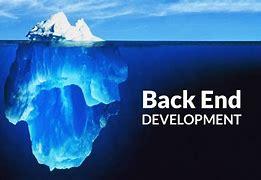
Back End DevelopmentBack End Development is the server-side of web development, where developers build and maintain the server, database, and application logic that operate behind the scenes to power web applications and websites. Unlike front-end development, which focuses on the parts of a website users interact with directly, back-end development is concerned with the server-side operations that handle data processing, business logic, and application functionality.Key Aspects of Back End Development1. Server-Side Languages:Programming Languages: Back-end developers use various server-side programming languages to build the logic and functionality of web applications. Popular languages include:JavaScript (Node.js): Allows for server-side scripting using JavaScript through the Node.js runtime.Python: Known for its simplicity and readability, used with frameworks like Django and Flask.Java: Widely used in enterprise environments with frameworks like SpringPHP: A server-side scripting language often used with web servers like Apache2. Databases:Relational Databases: Use Structured Query Language (SQL) to manage and query data in a structured format. Examples include:MySQL: An open-source relational database management system.PostgreSQL: A powerful, open-source object-relational database system.Oracle: A commercial relational database management system.NoSQL Databases: Handle unstructured or semi-structured data and are optimized for high scalability. Examples include:MongoDB: A document-oriented NoSQL database.Redis: An in-memory key-value store used for caching and fast data retrieval.Cassandra: A distributed NoSQL database designed for high availability and scalability.3. Server Management and Hosting:Web Servers: Manage and serve web content. Examples include:Apache: A widely-used open-source web server.Nginx: Known for its high performance and used as both a web server and a reverse proxy.Application Servers: Host and manage web applications. Examples include:Tomcat: An application server for Java applications.Node.js: Serves as both a server and a runtime environment for JavaScript.Cloud Services: Provide scalable and managed server infrastructure. Examples include:AWS (Amazon Web Services): Offers a wide range of cloud computing services.Azure: Microsoft's cloud computing platform.Google Cloud Platform (GCP): Provides cloud services including computing, storage, and data analytics.4. APIs (Application Programming Interfaces):RESTful APIs: Use HTTP requests to perform CRUD (Create, Read, Update, Delete) operations on resources. REST (Representational State Transfer) is a common architectural style for designing networked applications.GraphQL APIs: A query language for APIs that allows clients to request exactly the data they need and nothing more.5. Security and Authentication:Authentication: Verifies the identity of users, typically using methods like password-based login, OAuth, or JWT (JSON Web Tokens).Authorization: Manages user permissions and access to different parts of the application based on user roles.6. Performance Optimization:Caching: Improves performance by storing frequently accessed data in memory to reduce database load.Load Balancing: Distributes incoming network traffic across multiple servers to ensure reliability and performance.7. Version Control:Git: A distributed version control system used to track code changes, collaborate with other developers, and manage code repositories.Back End Development focuses on the server-side aspects of web applications, including server management, database interactions, application logic, and API integration. It involves using server-side programming languages and frameworks to handle data processing, ensure security, and support the functionality of web applications. By managing the underlying infrastructure, back-end developers ensure that web applications run efficiently and reliably, delivering a seamless experience for users. ...

View More
Front End Development Fr
Front End Development

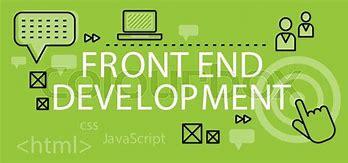
Front End Development Front End Development is creating and managing the visual and interactive aspects of a website or web application that users directly interact with. It encompasses everything that users see and experience in their web browser, including layout, design, and interactivity.Key Aspects of Front End Development1. Technologies and Languages:HTML (HyperText Markup Language): The foundational language for creating web pages. HTML defines the structure and content of web pages using elements and tags.CSS (Cascading Style Sheets): Used to style and layout HTML elements. CSS controls the appearance of web pages, including colors, fonts, spacing, and positioning.JavaScript: A scripting language that enables dynamic content and interactive elements on web pages. JavaScript can manipulate the DOM (Document Object Model), handle events, and interact with web APIs.2. Frameworks and Libraries:Front-End Frameworks: Frameworks like React, Angular, and Vue.js provide pre-written code and tools to simplify the development of interactive and complex user interfaces. They help manage state, handle routing, and more.React: A library for building user interfaces by creating reusable UI components.Angular: A comprehensive framework for building single-page applications with built-in support for routing, forms, and HTTP requests.Vue.js: A progressive framework for building user interfaces, known for its simplicity and ease of integration.CSS Frameworks: Libraries like Bootstrap, Tailwind CSS, and Foundation provide pre-designed UI components and layout utilities to speed up development and ensure responsive designs.Bootstrap: A popular framework with a collection of CSS and JavaScript components for responsive, mobile-first web design.Tailwind CSS: A utility-first CSS framework that allows for highly customizable designs by applying predefined classes directly in HTML.3. Responsive Design:Media Queries: CSS techniques that enable web pages to adapt to different screen sizes and devices, ensuring a consistent user experience across desktops, tablets, and smartphones.Fluid Layouts: Using flexible grids and layouts that adjust based on the size of the viewport, creating a seamless experience on various devices.4. User Experience (UX) and User Interface (UI) Design:UX Design: Focuses on optimizing the overall user experience, ensuring that web applications are intuitive, efficient, and enjoyable to use.UI Design: Involves creating the visual elements of a web application, including buttons, forms, and icons, ensuring that they are aesthetically pleasing and aligned with the overall design principles.5. Performance Optimization:Code Minification: Reducing the size of CSS, JavaScript, and HTML files to improve loading times.Image Optimization: Compressing images and using appropriate formats to reduce load times without compromising quality.Caching: Implementing caching strategies to improve performance and reduce server load.6. Cross-Browser Compatibility:Ensuring that web applications function correctly across different browsers (e.g., Chrome, Firefox, Safari, Edge) and their various versions.7. Version Control:Using tools like Git to manage code changes, collaborate with other developers, and maintain version history.Front End Development is a crucial aspect of web development that focuses on creating the parts of a website or web application that users interact with. It involves using a combination of HTML, CSS, and JavaScript, along with various frameworks and libraries, to build responsive, visually appealing, and interactive web interfaces. By focusing on user experience and performance, front-end developers ensure that web applications are both functional and enjoyable for users. ...

View More

SQL (Structured Query Lan
SQL and PL/SQL

SQL (Structured Query Language) is a standardized programming language specifically designed for managing and manipulating relational databases. SQL is used to perform various operations on the data stored in a database, including querying, updating, and managing the database schema.Key Features of SQL:Data Querying: Retrieve specific data from a database using SELECT statements.Data Manipulation: Insert, update, and delete data using INSERT, UPDATE, and DELETE statements.Data Definition: Define and modify the database schema with CREATE, ALTER, and DROP statements.Data Control: Manage user access and permissions with GRANT and REVOKE statements.Transactional Control: Ensure data integrity with transactions using BEGIN, COMMIT, and ROLLBACK.PL/SQL (Procedural Language/SQL) is Oracle's procedural extension for SQL. It adds procedural programming features to SQL, allowing for more complex and flexible database operations. PL/SQL integrates SQL with procedural constructs such as loops, conditions, and variables, enabling developers to write efficient and reusable code for interacting with Oracle databases.Key Features of PL/SQL:Procedural Constructs: Supports variables, loops, conditions, and error handling, allowing for complex logic and control flow.Stored Procedures: Encapsulate business logic in reusable procedures that can be executed on the database server.Functions: Define reusable functions that can return values and be used in SQL statements.Packages: Group related procedures and functions into a single unit for better organization and modularity.Triggers: Automatically execute PL/SQL code in response to specific database events (e.g., insertions, updates, deletions).SQL is a declarative language used to query and manipulate data in relational databases. It focuses on what to retrieve or manipulate rather than how to do it.PL/SQL is an extension of SQL provided by Oracle that includes procedural programming features. It allows for complex logic and control flow, enabling the creation of reusable code, stored procedures, functions, and triggers within the Oracle database.Both SQL and PL/SQL are crucial for effective database management and application development, especially when working with Oracle databases. ...

View More
 Java Basic + Advanced Co
Java Basic + Advance

Java Basic + Advanced CourseOur Java Basic + Advanced course is meticulously designed to provide students with a comprehensive understanding of Java programming, from foundational concepts to advanced techniques. Here’s what you’ll gain by enrolling in this course:1. Master Core Java ConceptsFoundational Knowledge: Start with the basics of Java, including variables, data types, control structures, and object-oriented programming (OOP) principles.Advanced Features: Progress to advanced topics like generics, multi-threading, and exception handling to build robust and efficient Java applications.2. Build Real-World ApplicationsHands-On Projects: Gain practical experience by working on real-world projects, including desktop and web applications, to solidify your understanding of Java concepts.Industry-Relevant Skills: Learn how to develop scalable, maintainable code that adheres to industry standards and best practices.3. Gain Expertise in Object-Oriented Programming (OOP)Encapsulation, Inheritance, and Polymorphism: Master the core principles of OOP that are fundamental for designing and implementing complex systems.Design Patterns: Understand and apply common design patterns to solve common design problems and create efficient, reusable code.4. Develop Strong Problem-Solving SkillsAlgorithmic Thinking: Enhance your problem-solving abilities by tackling algorithmic challenges and coding exercises.Debugging and Optimization: Learn techniques for debugging and optimizing your code to improve performance and reliability.5. Prepare for Career OpportunitiesJob Readiness: Equip yourself with the skills needed for entry-level to advanced Java developer positions.Certification Preparation: Prepare for industry-recognized Java certifications, such as Oracle Certified Java Programmer (OCP), to validate your skills and boost your career prospects.6. Enhance Your Development SkillsIntegrated Development Environments (IDEs): Gain proficiency in using popular IDEs like Eclipse and IntelliJ IDEA for efficient Java development.Version Control Systems: Learn the basics of version control with tools like Git to manage and track your code changes effectively.7. Join a Community of LearnersNetworking Opportunities: Connect with fellow students, instructors, and industry professionals through our course community.Support and Mentorship: Receive guidance and support from experienced instructors who are dedicated to your success.8. Flexible Learning OptionsSelf-Paced Learning: Benefit from a structured curriculum that allows you to learn at your own pace, accommodating your schedule and learning style.Access to Resources: Enjoy access to a wealth of learning materials, including video lectures, coding exercises, and supplementary resources.9. Gain Confidence and Build a PortfolioShowcase Your Skills: Build a portfolio of projects and assignments that demonstrate your Java expertise to potential employers.Boost Your Confidence: Develop the confidence to tackle complex programming challenges and contribute to professional software development projects.By enrolling in the Java Basic + Advanced course, you’ll gain a thorough understanding of Java programming, equipping you with the skills and knowledge needed to excel in the tech industry. Don’t miss this opportunity to advance your career and become a proficient Java developer! ...

View More
courses